
بِسْمِ اللَّهِ الرَّحْمَنِ الرَّحِيمِ
Islam House of Wisdom
بَيْتُ الْحِكْمَةِ الإِسْلَامِيّ
An Academy of Distinguished Scholars
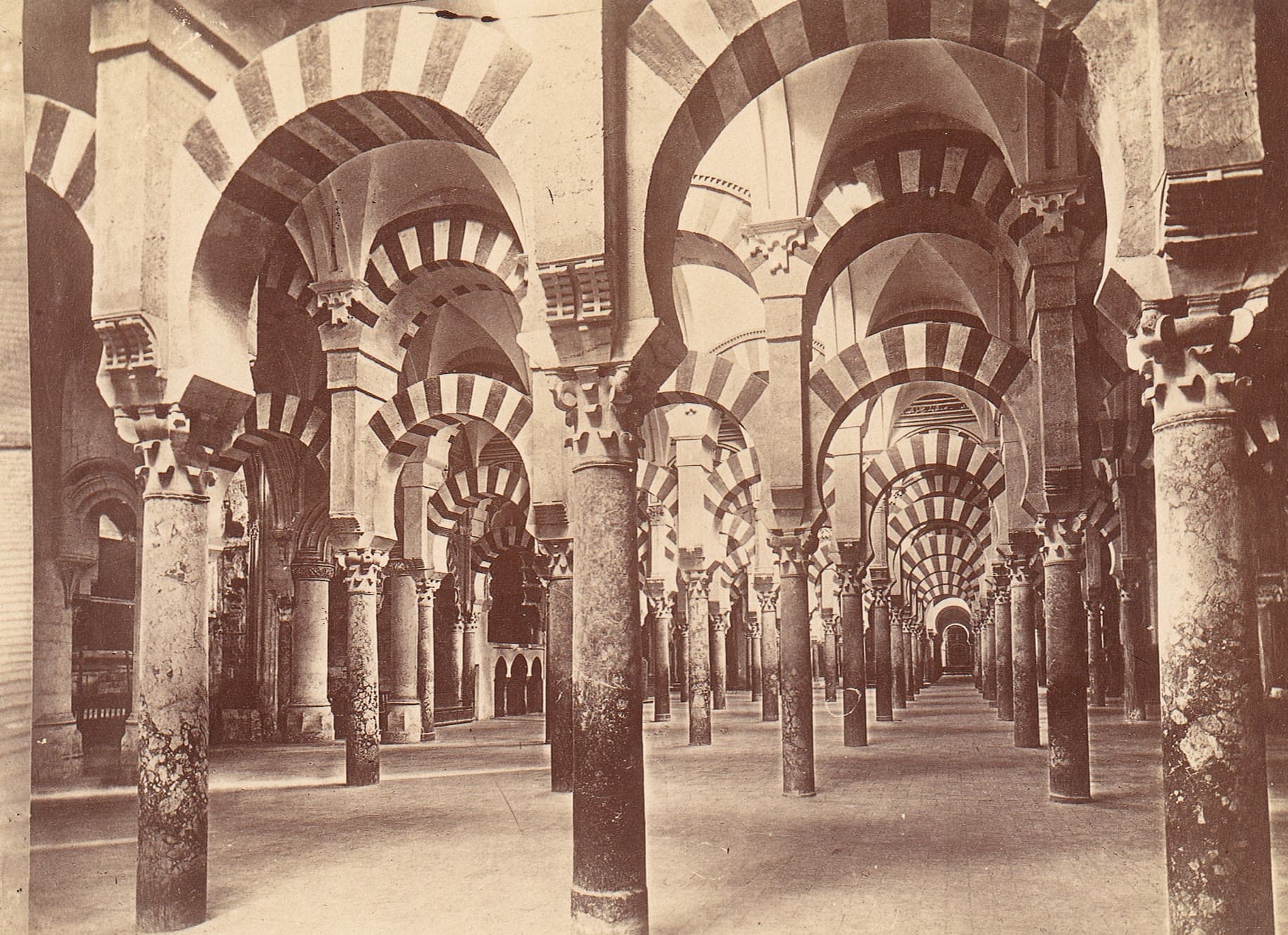
- The Great Mosque of CórdobaPhotograph, 1880s–90s
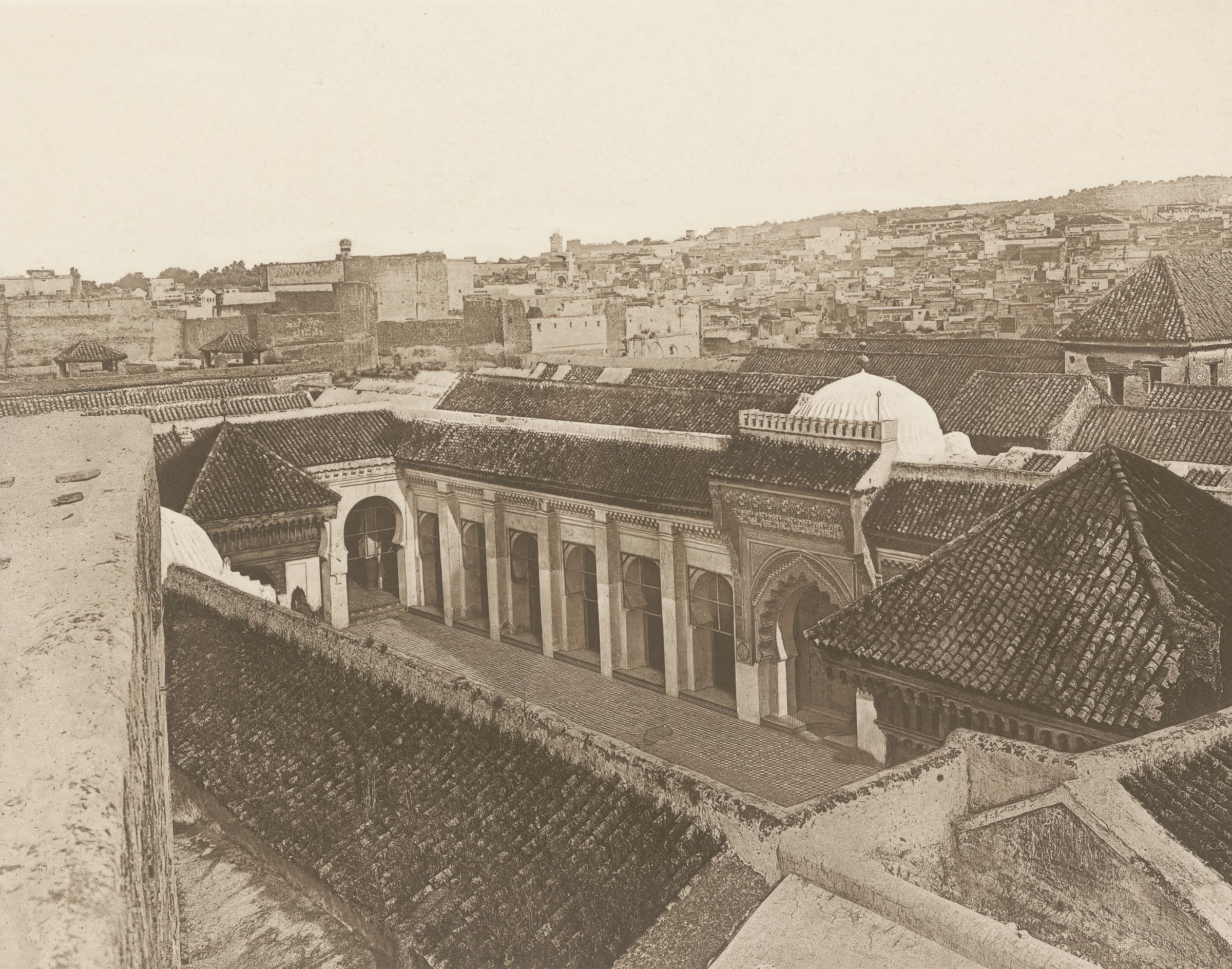
- The courtyard of al-Qarawiyyin, FezPhotograph, published 1921
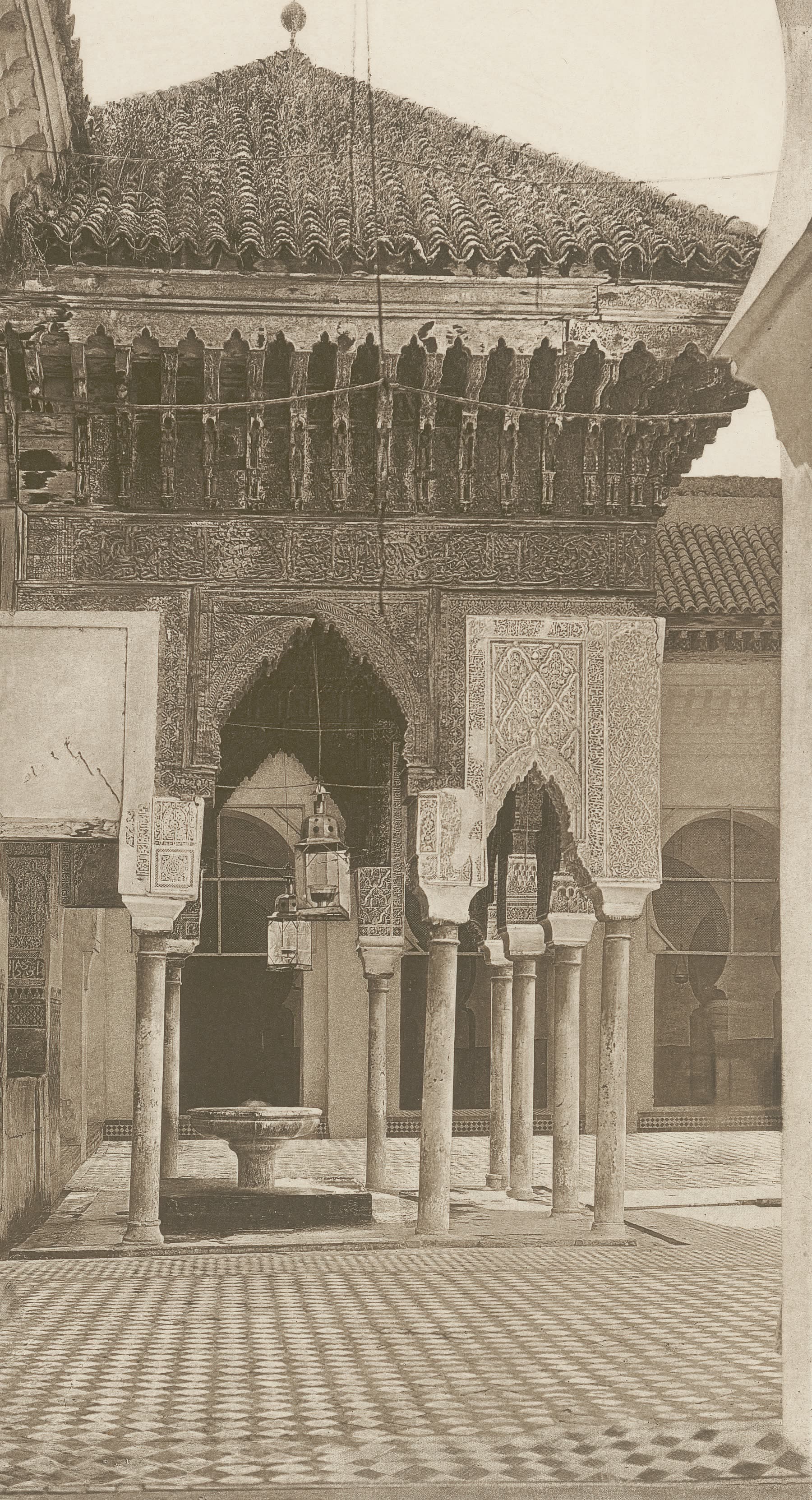
- A fountain in the courtyard of al-Qarawiyyin, FezPhotograph, published 1921
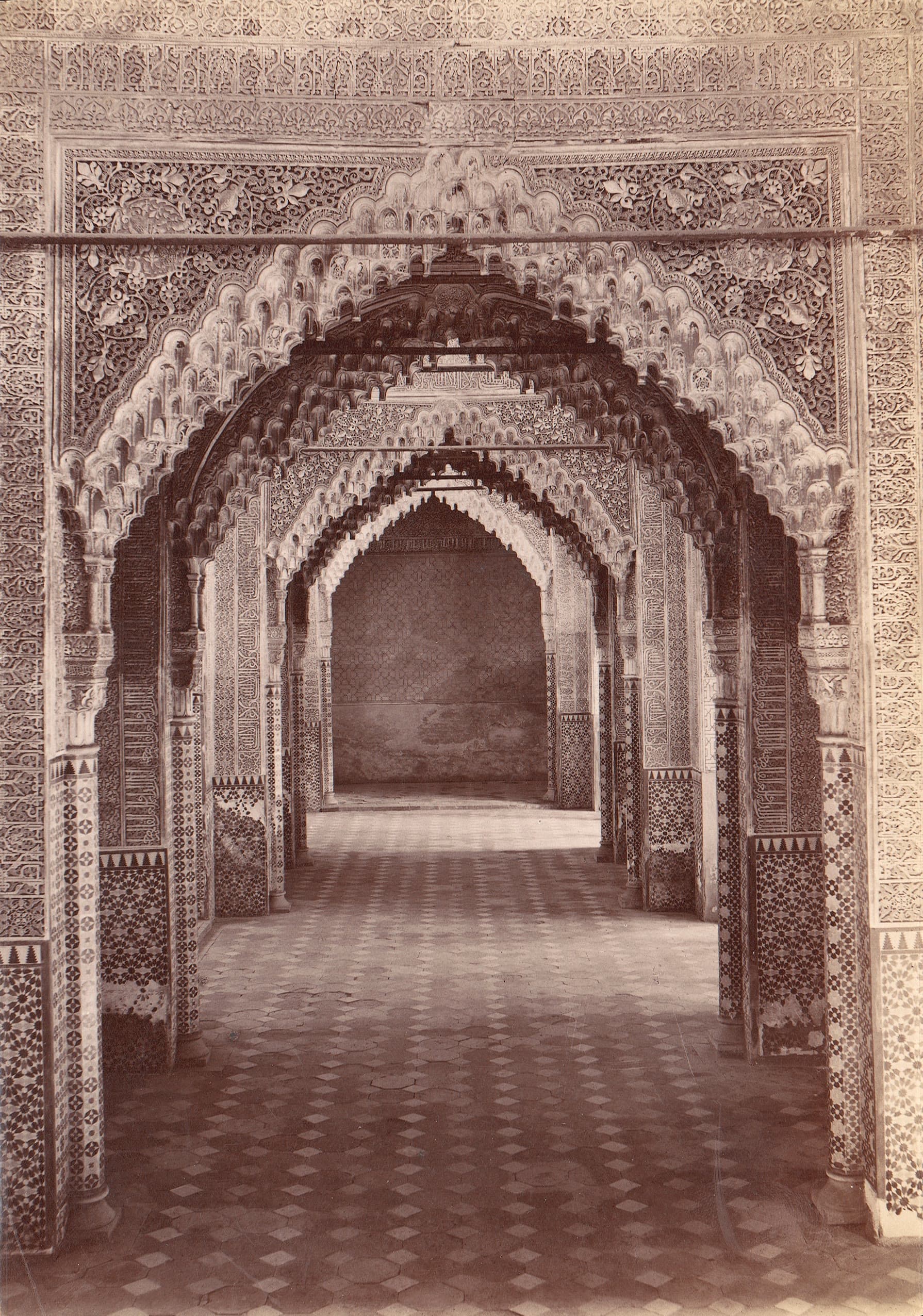
- The Hall of Justice, Alhambra, GranadaPhotograph, 1880s–90s
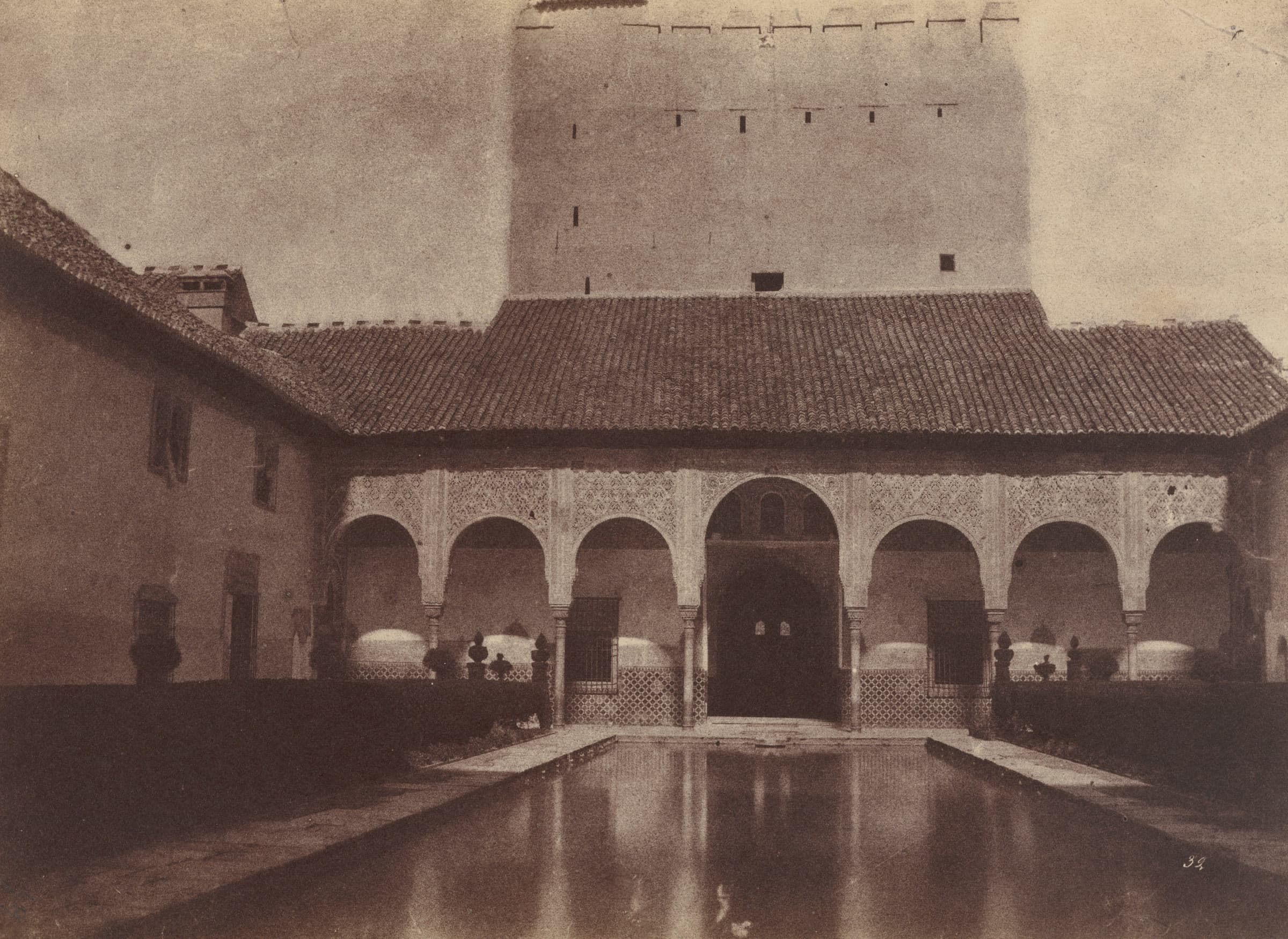
- The Court of the Myrtles, Alhambra, GranadaPhotograph by Alphonse Delaunay, 1854
The Spirit of Inclusive Scholarship
The original Bayt al-Hikma, established in Baghdad during the reign of Caliph al-Ma'mun (813-833 CE) stands as one of humanity's greatest intellectual achievements not merely for what it produced, but for how it operated. It was an institution that asked one question of its scholars: “What can you contribute to the achievement of knowledge?”. It did not ask whether they were Arabs, or Persians, Muslims or Christian or Jew or Sabian.
Hunayn ibn Ishaq, a Nestorian Christian, became the greatest translator of Greek medical and philosophical texts into Arabic.
Thabit ibn Qurra, a Sabian from Harran, made fundamental contributions to mathematics and astronomy. Jewish scholars, Persian polymaths, and Turkmen thinkers all worked side by side within its walls. The House of Wisdom was the intellectual center of Islam Golden Age, hosting great thinkers and philosophers like Al-Khwarizmi (Algebra), Al-Kindi (philosophy), Al-Battani (astronomy and mathematics), and many others. The House of Wisdom in the truest sense, was a house of humanity's collective intellect.
The Islamic Age of Enlightenment came to a gradual end when the ruling elite formed an alliance with the religious establishment, requiring that all scientific scholarship pass through theological scrutiny. This narrowing of intellectual horizons-this subordination of inquiry to ideology-impoverished not only Islamic civilization but the world.
Today, many Arabs and Muslims states, continue to struggle because they have practiced forms of exclusion-ethnic, sectarian, and individual - disenfranchised of their own population. The Islam House of Wisdom is founded on the conviction that these failures can be reversed, and that the path forward lies in the returning to the original spirit of inclusive, fearless scholarship that once made Islamic civilization the beacon of the world.
The membership selective process framework is designed to ensure that the 100 Distinguished Scholars of the Islam House of Wisdom reflect this founding spirit: diverse in origin, pluralistic in faith and perspective, rigorous in qualification, and united only in their commitment to the advancement of knowledge in service of common good. The Islam House of Wisdom will be an autonomous academy, separate from political or government institutions. Hopefully the Islam House of Wisdom, with scholastic contributions from outstanding scholars and generous funding, will live and thrive beyond our lifetime.
Thank you.
IHW Core Values
Our Missions
- 01
Islamic Manifesto for the Millennium
This group of scholars and professionals will operate as a “virtual think tank” as well as in-house scholars and formulate the “Islamic Manifesto for the Millennium. Ushering the New Age of Ijtihad and Islamic Enlightenment and Renaissance” and “Islamic Liberation Theology” and thoughts that have been dormant for centuries, hostage to political and religious institutions.
- 02
Islamic Sharia
What is needed is emphasis on “Maqasid”—the higher objectives of Sharia as a guiding principle—with the need to create a framework of multiple valid interpretations rather than a single “correct” version. Engaging with diverse scholarly perspectives across “Madhahib” legal schools, recognizing that Sharia was never meant to be codified in the modern sense.
- 03
Sunni-Shiite Reconciliation
This historic theological and political schism must end. The historical root of this political issue translated into a theological schism that has had a devastating impact on the “Muslim Umma” for centuries and has translated over time to armed political conflicts between Muslims based on a historical decision that took place some 1,400 years ago. Time for the “Muslim Umma” to reach a historic peace accord that will benefit the Umma for generations.
- 04
New World Economic and Financial System
Offering an alternative perspective on addressing economic justice distinct from both the failed Marxist system and the Capitalist Neoliberal system that enriched the few at the cost of billions. Understanding the contemporary implementation challenges of Islamic economics—including Zakat as a Wealth Redistribution Mechanism, Prohibition of Riba, Ethical Limitations on Economic Activities, and the Balance between Individual and Collective Rights.
- 05
The “Impossible State” Is Possible
It is essential to create a framework for a “Model State Informed by Islamic Values” that emphasizes shared ethical principles while ensuring equal citizenship for all—Muslims, Christians, Jews, and others. These are universal principles found in Islamic tradition that support equality, justice, human dignity, and public welfare with emphasis on citizenship.
- 06
Organization & Management
This selected group of scholars and experts from within the original “100” members are entrusted to organize among themselves the operational management of the “Islam House of Wisdom”—to include hiring staff, resource persons, selecting and appointing officers and executives, electing the leadership, and working together to secure sponsors and contributors within the Muslim and Arab world.
Section II
Founding Principles of Membership
Inclusivity as a Founding Mandate
Membership in the Islam House of Wisdom shall be open to scholars of all nationalities, ethnicities, faiths, and backgrounds. The institution recognizes that scholarship on Islamic civilization, thought, and science has always been—and must continue to be—a collaborative endeavor drawing from the full breadth of human intellectual tradition.
Merit as the Sole Criterion
Selection shall be based exclusively on demonstrated scholarly excellence, intellectual originality, and the capacity to contribute meaningfully to the mission of the House of Wisdom. No consideration shall be given to political affiliation, tribal or familial connection, sectarian identity, or governmental endorsement.
Independence from Political and Religious Establishments
While the House of Wisdom respects and engages with both political and religious institutions, its membership shall not be subject to approval, veto, or undue influence by any government, political party, or religious authority. This independence is the guarantor of its intellectual credibility.
Global Representation
The House of Wisdom recognizes that the Muslim world spans every continent and that critical scholarship on Islamic civilization is produced across the globe—in the Arab world, in South and Southeast Asia, in Sub-Saharan Africa, in Europe, in the Americas, and in the diaspora communities that bridge these regions. Membership shall reflect this global reality.
Section III
Scholarly Domains and Seat Allocation
To ensure disciplinary balance and prevent the dominance of any single field, the 100 seats shall be allocated across six scholarly domains. This structure is designed specifically to guarantee that the House of Wisdom remains a multidisciplinary institution of broad intellectual scope, faithful to the model of the original Bayt al-Hikma.
| # | Scholarly Domain | Seats | Scope and Illustrative Disciplines |
|---|---|---|---|
| I | Islamic Jurisprudence, Legal Philosophy, and Reform | 13–15 | Fiqh, usul al-fiqh, maqasid al-shari’a, comparative Islamic law, Shari’a as living principles, legal reform, human rights within Islamic frameworks |
| II | Islamic Economics, Finance, and Development | 13–15 | Islamic banking and finance, waqf systems, economic development, poverty alleviation, authentic Islamic economic alternatives, trade and commerce in Islamic history |
| III | Science, Technology, Medicine, and Innovation | 13–15 | History of Islamic science, contemporary STEM scholarship, bioethics, environmental science, digital technology, AI and Islamic ethics, public health |
| IV | Governance, Political Theory, and Human Rights | 13–15 | Islamic governance models, shura and democratic theory, citizenship and civil rights, Sunni-Shiite reconciliation, minority rights, anti-corruption, rule of law |
| V | Arts, Philosophy, and Civilizational Studies | 13–15 | Islamic philosophy (falsafa), Sufi intellectual traditions, Islamic architecture and art, literature, music, interfaith aesthetics, manuscript preservation |
| VI | Interfaith Dialogue, Intercultural Studies, and Education | 13–15 | Comparative theology, Abrahamic dialogues, Islamic pedagogy, madrasa reform, cross-civilizational exchange, Muslim diaspora studies, media and public discourse |
| VII | Emerging Scholars Reserve | 15–20 | Scholars under 40 years of age, drawn from across all six domains. Appointed on renewable 5-year terms to ensure generational renewal. |
| Total Seats: 100 | |||
Section IV
Geographic Distribution Requirements
To ensure the House of Wisdom reflects the global reach of Islamic civilization and scholarship, membership shall include representation from each of the following geographic zones. No single zone shall hold more than 25% of total seats.
| Geographic Zone | Minimum Seats | Maximum Seats | |
|---|---|---|---|
| North Africa and the Maghreb | 8 | 20 | |
| The Gulf States and the Arabian Peninsula | 8 | 20 | |
| The Levant, Iraq, and Iran | 8 | 20 | |
| South and Southeast Asia | 10 | 25 | |
| Sub-Saharan Africa | 8 | 15 | |
| Europe and the Americas (including diaspora) | 10 | 25 | |
| Central Asia and Turkey | 5 | 15 |
Section V
Nomination Process
Eligible Nominating Bodies
Nominations for membership shall be accepted exclusively from recognized academic and research institutions. Eligible nominating bodies include:
- Accredited universities and their constituent faculties, departments, or research centers
- National academies of science, humanities, or social sciences
- Internationally recognized independent research institutes and think tanks
- Professional scholarly associations (e.g., the International Congress for Islamic Studies, the Association for the Study of the Middle East and Africa)
- Major libraries and manuscript preservation institutions with active scholarly programs
- Existing members of the House of Wisdom (following establishment of the inaugural cohort), with each member entitled to nominate one candidate per selection cycle
Nomination Requirements
Each nomination must include:
- A formal letter of nomination from the institution’s authorized representative
- The nominee’s full curriculum vitae, including a complete publication record
- A statement of not more than 1,000 words by the nominee describing their vision for contributing to the mission
- Two letters of endorsement from scholars of recognized standing, at least one from a different institution
- Identification of the scholarly domain (I–VI) and geographic zone
Who May Not Nominate
Nominations shall not be accepted from:
- Sitting heads of state or government ministers
- Official state religious establishments or government-appointed muftis acting in their official capacity
- Political parties or partisan organizations
- Commercial entities
Section VI
Selection and Vetting Committee
Composition — 9 Members
- Three (3) internationally recognized scholars of Islamic studies, representing at least two different geographic zones
- Two (2) scholars from the natural sciences, technology, or medicine
- One (1) scholar of governance, political theory, or international law
- One (1) scholar of arts, philosophy, or civilizational studies
- One (1) representative of a major international academic institution or scholarly association
- One (1) member appointed by the Founder and Director
Selection Criteria
| Criterion | Weight | Indicators |
|---|---|---|
| Scholarly Excellence and Impact | 30% | Publication record, citations, peer recognition, major awards or fellowships |
| Originality and Intellectual Courage | 25% | Novel contributions, willingness to challenge orthodoxies, interdisciplinary reach |
| Relevance to the House of Wisdom Mission | 20% | Alignment with the four critical themes, practical applicability, transformative potential |
| Diversity Contribution | 15% | Fills geographic, disciplinary, or demographic gaps in current membership composition |
| Capacity for Collaborative Engagement | 10% | History of cross-disciplinary or cross-cultural collaboration, mentorship, public engagement |
Safeguard Against Disciplinary Imbalance
No more than 20% of total membership may come from any single domain at any given time. This structural constraint ensures the multidisciplinary character of the institution is maintained across successive cohorts.
Section VII
Emerging Scholars Program
The House of Wisdom reserves 15–20 seats for exceptional early-career scholars under the age of 40. This program ensures the institution remains a living, generationally-renewed intellectual community — not merely an archive of established reputations.
Eligibility Criteria
Terms of Appointment
Domain Distribution
Section VIII
Governance of the Selection Process
Inaugural Cohort
The first cohort of 100 scholars shall be selected by the Founding Selection Committee within 18 months of the institution’s formal establishment. The inaugural process shall place particular emphasis on geographic and disciplinary diversity, recognizing that early membership shapes the institution’s long-term character.
Subsequent Appointments
Following the establishment of the inaugural cohort, new appointments shall occur on a rolling basis as vacancies arise through retirement, resignation, or the expiration of Emerging Scholar terms. The Selection Committee shall convene at least once every two years to review nominations.
Term of Membership
All nominated and accepted scholars for membership shall serve an initial term of five years renewable for subsequent periods of five-years. The internal Selection Committee shall evaluate and make recommendation to the general membership who will by a vote of 2/3 to renew the scholars five-years subsequent terms. Emerging Scholar appointments are renewable for five-year term by 2/3 vote of the general membership.
Transparency
The House of Wisdom shall publish, on an annual basis, the composition of its membership by domain and geographic zone (without compromising individual privacy where requested), the names and affiliations of Selection Committee members, and a summary report on the nomination and selection process for each cycle.
Statement on Faith, Ethnicity, and Background
Islam House of Wisdom, as an organization and an institution affirms as a matter of foundational principles, that membership is open to scholars of all faiths, all ethnicities, and all national origin.
The institution seeks the best and brightest minds working on questions relevant to Islamic civilization, thought, science, and the challenge facing the Muslim world-regardless of whether those scholars are themselves Muslims. That the greatest intellectual achievements in Islamic history were produced not in isolation, but in collaboration, Muslims, Christians, Jews, and others.
By structuring its membership around disciplinary balance, geographic diversity, institutional independence, and intellectual merit, this framework creates the conditions for the kind of transformative scholarship that the world needs-scholarship that is worthy of the name Bayt al-Hikma
Closing Statement
A Return to the Original Spirit
The founding conviction of the Islam House of Wisdom is simple and ancient: that the life of the mind knows no borders, that inquiry flourishes when it is free, and that civilization advances when it draws upon the full depth of human diversity. The original Bayt al-Hikma demonstrated this truth for two extraordinary centuries. The Islam House of Wisdom is founded to demonstrate it again—not as a recreation of the past, but as a living institution for the challenges of the present and the promise of the future.
This framework—its principles, its structures, its safeguards—is designed to protect the integrity of that founding vision against the forces that have historically undermined it: political co-option, sectarian narrowness, intellectual conformism, and the exclusion of those whose perspectives are most needed. Every provision in this document exists to ensure that the House of Wisdom remains what its name promises: a house, open to all who seek wisdom; and a wisdom, deep enough to deserve the name.

Make an Impact
Donate, Contribute, Sponsor
Your contribution fuels the change we build together.
Scholarly Discourse
Articles
View All Articles- Islam House of Wisdom Launches Initiative to Establish a Global Academy of Distinguished ScholarsThe Islam House of Wisdom, a U.S.-registered 501(c)(3) nonprofit institution, today announced the launch of a landmark initiative to establish an international Academy of 100 Distinguished Scholars — a modern revival of the legendary Bayt al-Hikma (House of Wisdom) that flourished in Baghdad under Caliph al-Ma'mun between 813 and 833 CE.
- From Bayt al-Hikma to the Nobel Prize: Does Islam Need a New “House of Wisdom”?More than 1.5 billion Muslims are the inheritors of a civilization that once lit the world's lantern — yet today it stands nearly absent from the highest ledger of human intellectual achievement. The Islam House of Wisdom is being built to recapture the spirit of the original Bayt al-Hikma: convening 100 Distinguished Scholars across disciplines and faiths to ensure Islam's greatest contribution to the 21st century has not yet been made.
- SPECIAL INVITATION - The Spirit of Inclusive ScholarshipBayt al-Hikma was an inclusive intellectual center where diverse scholars advanced knowledge beyond religious or ethnic boundaries. Its decline followed ideological restrictions; its modern revival seeks to restore open, pluralistic scholarship.


